The Mercy Rule & The Brown Bomber

It’s a little after 4:00 PM on the first Thursday of the month, which means I’m exactly where I’m supposed to be: Greenville, North Carolina. I have a ritual. I hit my favorite local shop on the way out of town back to Raleigh. I find the rhythm and let the world fade into the click-click-click of the bin flip. I’ve been shopping here for several months now, and while I have a "want list," I rarely consult it. I just want to flip... because in a record store, you never know when the universe is going to drop a needle on a new story.

Well, today was one of those days.
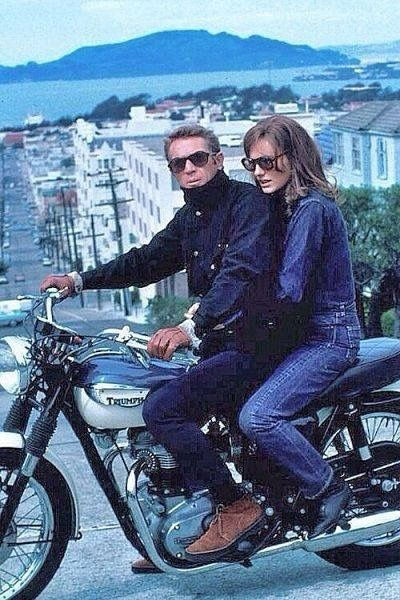
Let me set the stage. A few regulars hanging around, an amp in the corner blasting something unusual, and that intoxicating scent of aging cardboard and PVC. I was already having a great day—I’d snagged a clean copy of Prefab Sprout’s Two Wheels Good (aka Steve McQueen.)
But then, the movie started.
A man who I assume is in his late 40s walked in and asked for the owner. He didn't look like a collector; he looked like a man on a mission to clear out his trunk. He had a box of his mom’s old records, and she’d told him to get rid of them. I'm listening to whole thing unfold as I continue looking through the bins.
“Yeah, they’re out in the car, I’ll be right back.” The bell on the door rang as he returned, lugging a single brown bankers box. Then he said the words that gives every crate-digger a cold sweat:
"If you don't buy them, I’m just taking them to the dump."
My heart hit the floor. Thirty plus years ago, I was that guy. I gave away my collection, and the leftovers ended up in the trash. It’s a recurring nightmare for me—a sweaty flashback, as I’ve called it before. Watching those records sit on the counter was like watching a group of orphans waiting to see if they’d have a home or be lost forever.
I felt like I was living out a deleted scene from High Fidelity. In the movie, Rob Gordon deals with a vengeful wife trying to sell her husband’s rare collection for $50 just to spite him. This wasn't revenge, though—it was just pure, cold apathy. And seeing this box facing a landfill death sentence was more drama than Championship Vinyl could ever dream up.

The owner did the usual "hem and haw" dance, offered $25 for the lot, and the guy took it. He walked out $25 richer, and the records stayed out of the landfill. The Mercy Rule was in effect. The owner and a nearby employee immediately start pulling out records and setting them on the counter.
As I approached to pay for my Prefab Sprout and an $8 copy of Chicago Transit Authority, I saw it. Sitting in the stack...poking out of the small pile like a flare in the dark was the "Brown Bomber"—Led Zeppelin II.
I tried to keep my poker face on. Internally I'm freaking out and I didn't want to tip my hand. "What are you going to do with that?" I asked, nodding toward the box and stack.
The owner, a pro who’s seen it all, followed my eyes to Zeppelin II and pulled it out. We looked at the jacket together. It had that beautiful, honest wear—the kind that says, "I was loved in a dorm room in 1970." We scanned the wax under the shop lights. No major scratches. No "skips-if-you-look-at-it-funny" gouges.
He hopped on the computer, did the inventory cross-check, and consulted his partner. The tension in the room was palpable. Even another shopper had drifted over to witness the verdict. If he found the legendary "RL" (Robert Ludwig) hot mix in the dead wax, I would be toast—that’s a holy grail that goes for hundreds and is way out of my budget range. "Tell you what," he said. "If I sticker this for the wall, it’s $60 bucks. But since you're here and I literally just bought it... how do you feel about $45 bucks?”
I didn’t hesitate. Sold! I walked out of that shop with the sophisticated art-pop of Paddy McAloon in one hand and the primal, heavy-blues sledgehammer of Jimmy Page in the other.
But something else was going on that I can’t explain. Five months before today, while randomly scrolling X, my feed dropped a video of Billy Strings covering "Ramble On" from a Halloween night in Asheville. They were dressed in full Lord of the Rings garb to pay homage to Robert Plant’s Tolkien obsession. It’s an epic, bluegrass-fueled cover with Allman Brothers licks mixed in that I’ve been obsessed with ever since.

Was this a sign? Plant’s lyrics about Mordor and Gollum were swirling in my head for months, and then, in walks this iconic album.
Saturday night in the Groove Den was the moment of truth.
I was nervous. My setup is finely tuned to high-end production, and I wondered if a "box-off-the-street" relic would hold up, or if it carried hidden scratches I’d missed during my quick scan in the shop. When the needle first dropped, I was concerned I’d made a rash purchase and got caught up in the heat of the moment. Then I realized I’ve never really listened to this album in its native format. I’d forgotten how Jimmy Page produced these records. The stereo separation is wild—instruments panned hard left and right, creating a psychedelic space that modern digital remasters often flatten out.
But then John Paul Jones’ bass kicked in on "The Lemon Song," and I got the chills again. This wasn't just audio; it was an era. Studying the jacket, I see there’s a faint drink ring near the top. I fantasize that someone, decades ago at a party, set a glass down while rolling a doobie and "Whole Lotta Love" was shaking the floorboards.
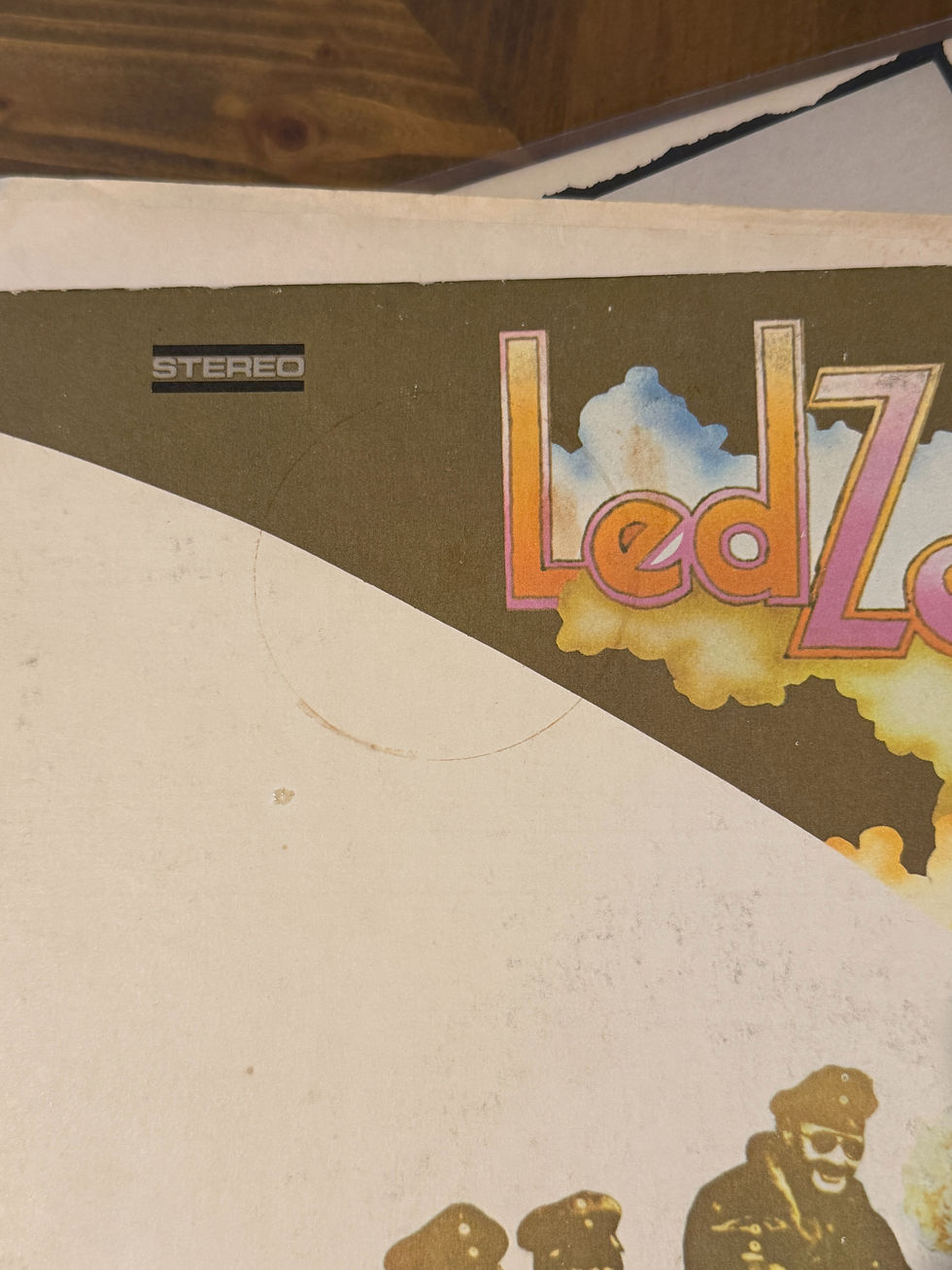
Playing this record has become one of my favorite ways to unwind. It’s raw. Despite these being some of the most well-known tracks in history, listening with intention brings out notes and runs I’ve never noticed before. How is it that an album so widely known can sound new again?
It doesn’t matter, really. All I know is that I have the Brown Bomber—delivered by some random universal fate. The spirit of 1969 is alive, well, and smelling of slightly stale cardboard. Or is that smell something else?
Retro Spin Liner Notes: Led Zeppelin II (1969)
The Production Powerhouse:
The Architect: Produced by Jimmy Page. This was the album where he perfected his "Distance + Proximity" recording technique—moving microphones around the room to create a sense of massive scale.
The Brown Bomber: Recorded at multiple studios across the UK and US while the band was on tour. This on-the-fly energy is why the album feels so urgent and raw.
The artwork was designed by David Juniper, who famously took an old photo of the German Air Force’s "Jasta 11" Division (the Red Baron’s crew) and airbrushed the faces of the four band members over the pilots. Because of the specific shade of brown and the sheer sonic "blast" of the record, the street name became the Brown Bomber.
The Stereo Field: Jimmy Page and engineer Eddie Kramer used extreme panning (instruments hard-wired to one speaker or the other), a psychedelic production choice that defines the 1969 sound.
The Players:
Robert Plant: The voice of Middle-earth. On "Ramble On," Plant famously name-checked Mordor and Gollum, bridging the gap between Delta Blues and Tolkien folklore.
Jimmy Page: The Riff-Maker. From the slide-guitar solo on "Whole Lotta Love" to the acoustic soul of "Thank You."
John Paul Jones: The Secret Weapon. His melodic bass lines on "The Lemon Song" are a masterclass in groove.
John Bonham: The Thunder. "Moby Dick" remains the definitive drum showcase in rock history.
The Radio Stats:
Whole Lotta Love (Peak #4): The track that announced the arrival of the 70s a few months early.
The Giant Slayer: Upon release, Led Zeppelin II famously knocked The Beatles’ Abbey Road off the #1 spot on the Billboard charts.
The Legacy: Certified 12x Platinum. It is the undisputed blueprint for Hard Rock.
Comments